


Fennel Seeds (Foeniculum vulgare): The Complete Guide
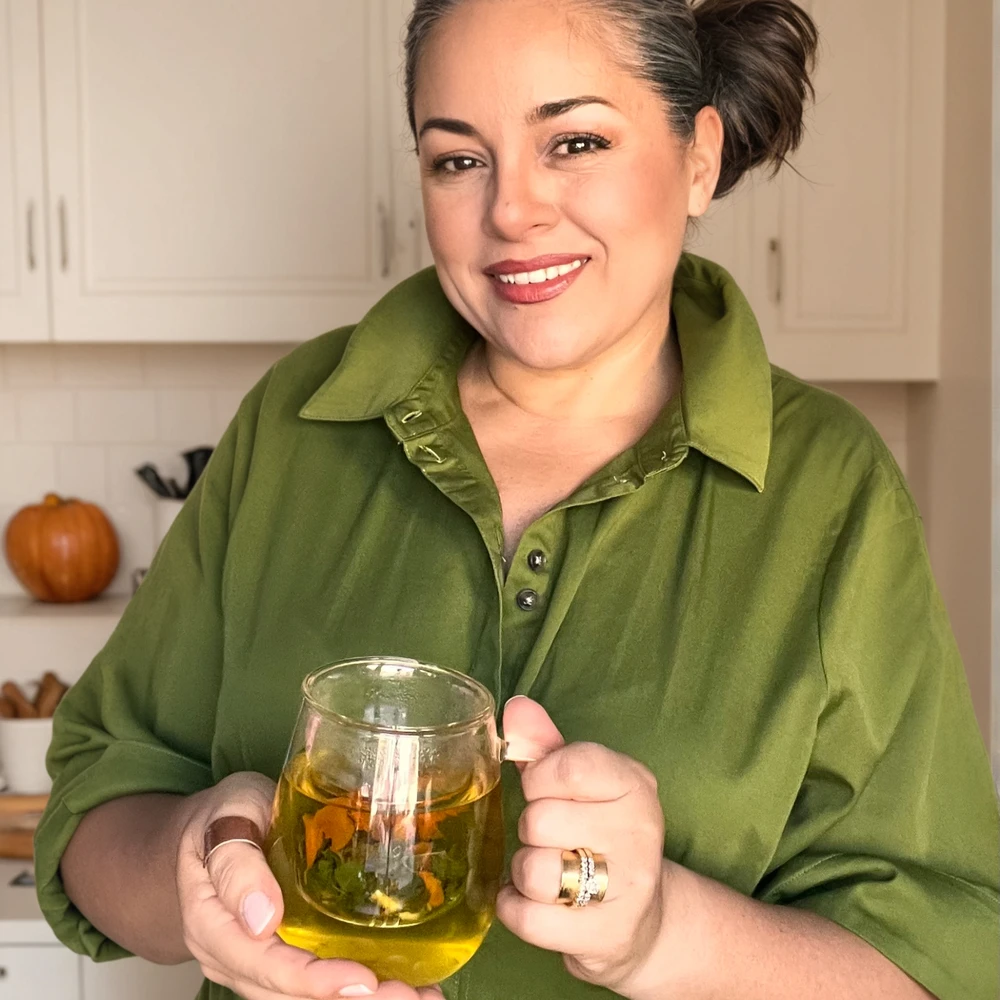

At Pink Tomato Inside Out, we love everyday ingredients that feel simple, feminine, and powerful things your abuela probably used, now backed by modern science. Fennel seeds (known as hinojo) are one of those quiet heroes: aromatic, soothing, and surprisingly versatile for digestion, hormones, and overall wellness.
This guide is your practical, honest, Pink Tomato style deep dive into fennel seeds what they are, what science says, how to use them safely, and how to make them part of your daily ritual.
What are fennel seeds?
Fennel seed comes from Foeniculum vulgare, a flowering plant in the carrot family. While the bulb and fronds are used as vegetables and herbs, the seeds are prized for their warm, slightly sweet, licorice-like flavor and their traditional medicinal use.
Historically, fennel seeds have been used in:
Mediterranean and Middle Eastern cuisines
Ayurvedic and Traditional Chinese Medicine
Digestive and postpartum herbal blends
The seeds contain bioactive compounds like anethole, fenchone, and estragole, which give fennel its aroma and many of its effects.
Evidence‑Backed Benefits
Research (and centuries of use) suggest fennel seeds may support:
Digestive Comfort
Helps reduce bloating, gas, and mild cramping
Supports stomach emptying and intestinal motility
Often used after meals in many cultures
Hormonal & Menstrual Support
Mild phytoestrogenic activity (mainly from anethole)
May help ease menstrual cramps and discomfort
Traditionally used during perimenopause and menopause for digestive and hormonal balance
Breastfeeding Support
Commonly included in galactagogue blends (milk‑support herbs)
May help with milk flow and digestive comfort in both mom and baby
Antioxidant & Anti‑Inflammatory Properties
Contains flavonoids and phenolic compounds
Helps neutralize oxidative stress
Fresh Breath & Oral Health
Natural antimicrobial properties
Chewing seeds can help reduce odor‑causing bacteria
How to Use Fennel Seeds (Practical, Safe, Pink Tomato Style)
Think gentle, consistent, and intentional.
Daily Options
Infusion (tea): Light, soothing, and easy
Chewed seeds: Traditional post‑meal ritual
Culinary use: Added to meals for flavor + benefits
Powdered: Mixed into warm drinks or food
Pink Tomato rule: If it feels harsh, you’re doing too much.
Typical Dosages Reported in Studies
While there is no single official dose, commonly studied and traditional ranges include:
Tea/Infusion:
1–2 teaspoons crushed seeds per cup of hot water
Up to 2–3 cups per day
Chewed whole seeds:
½–1 teaspoon after meals
Powdered fennel seed:
1–3 grams per day, divided
These amounts are generally considered gentle and well‑tolerated for most adults.
Safety, Side Effects & Who Should Avoid It
Fennel seeds are generally safe when used in culinary or tea amounts. However:
Possible Side Effects (Rare)
Mild nausea if taken in excess
Allergic reactions (especially if allergic to carrots, celery, or mugwort)
Use Caution If You:
Are pregnant (culinary amounts are fine; medicinal doses should be discussed with a professional)
Have hormone‑sensitive conditions (consult before long‑term medicinal use)
Are taking medications that affect estrogen pathways
Important Cautions
Avoid high‑dose essential oil use unless supervised
Do not replace medical treatment with herbal use
Quality matters contaminated or old seeds lose potency and safety
Pink Tomato reminder: herbs support the body; they don’t override it.
Quick Recipes (Pink Tomato Friendly)
Soothing Fennel Infusion
1 tsp lightly crushed fennel seeds
1 cup hot (not boiling) water
Steep 10 minutes, strain, enjoy warm
Optional add‑ins: chamomile, ginger slice, or a touch of raw honey
Digestive After‑Meal Seeds
½ tsp fennel seeds
Optional: tiny pinch of coriander seeds
Chew slowly after meals.
Pink Tomato Hormone‑Friendly Blend
1 tsp fennel seeds
½ tsp cinnamon stick pieces
½ tsp dried orange peel
Steep together for a warming, comforting tea.
Sourcing & Storage Tips

Because fennel seeds are delicate and aromatic, quality is everything.
What to Look For
Organic, food‑grade seeds
Greenish‑brown color (not dull or gray)
Strong, sweet aroma
Storage
Airtight glass container
Cool, dark place
Use within 12–18 months for best potency
At Pink Tomato, we believe your herbs should feel alive fresh, clean, and intentionally sourced.
FAQs
How Long Can You Take a Fennel Infusion?
Fennel tea can be used daily for several weeks. Many people enjoy it continuously as a digestive tea, while others prefer short cycles (2–4 weeks) followed by a break.
Listen to your body comfort, not dependency, is the goal.
Infusion vs. Fennel Supplements
Infusion (tea):
Gentle
Hydrating
Ideal for digestion and daily balance
Supplements (capsules/extracts):
More concentrated
Useful for targeted support
Should be used with professional guidance
Pink Tomato preference: Start with the tea.
Fennel vs. Fenugreek (Important Clarification)
Fennel (Foeniculum vulgare) is not the same as fenugreek (Trigonella foenum‑graecum).
Fennel: digestive, soothing, lightly estrogenic
Fenugreek: stronger metabolic and lactation effects
They can complement each other but should not be confused.
Bottom Line
Fennel seeds are a gentle, elegant, and effective plant ally perfect for daily digestive comfort, hormonal transitions, and mindful self‑care.
Used with intention and quality sourcing, fennel fits beautifully into the Pink Tomato philosophy: nourishment from the inside out.
With natural care,
Gina Morano Walking this wellness path with you – Pink Tomato Inside Out
Key Sources
National Center for Complementary and Integrative Health (NCCIH)
PubMed studies on Foeniculum vulgare NIH
European Medicines Agency (Herbal Monographs) EMA
Journal of Ethnopharmacology sciencedirect
Phytotherapy Research wiley

Comments