


My Favorite Oils for This Stage: How I Use Them and Why They Matter.

Updated: Feb 4

In this stage of life asks for more listening and less forcing. During perimenopause and beyond, the body doesn’t need extremes it needs support, consistency, and gentle nourishment. Oils, when used intentionally, can be powerful allies for hormonal balance, digestion, skin health, and the nervous system.
This article is not about trends or miracle cures. It’s about the oils I personally use and recommend because they make sense for this phase of life. Below you’ll find clear, grounded information on each one: benefits, how to use them, and important precautions.

Flaxseed Oil (Linseed Oil)
What it is & where it comes from. Flaxseed oil is extracted from flax seeds (Linum usitatissimum). It is one of the richest plant sources of alpha-linolenic acid (ALA), a type of omega‑3 fatty acid.
Benefits
Supports cardiovascular health: Omega-3s may help reduce LDL (“bad”) cholesterol and support healthy blood pressure.
Helps reduce inflammation: These fats are associated with lowering inflammatory processes in the body.
Supports digestion and regularity: Easier to incorporate into smoothies and salads than whole seeds.
Supports hormonal balance: Healthy fats play a key role in hormone production and regulation. Omega-3 fatty acids help support estrogen balance and may ease common hormonal fluctuations during this stage.
Nourishes dry skin and hair: Omega-3s help strengthen the skin barrier, improve hydration, and support elasticity, while also nourishing hair from within especially helpful as dryness becomes more common with hormonal shifts. Supports hormonal balance
How I use it
1 teaspoon daily
Added to smoothies or drizzled over food like mix into salads dressings, yogurt etc.
Never heated, I always add flaxseed oil cold, because heating it can damage its fatty acids and reduce its nutritional value.
Take by spoon if tolerated
How long to use it:
Daily, long-term use
Why: Flaxseed oil is a gentle, nourishing oil that is generally safe for continuous use when consumed in moderate amounts and properly stored (refrigerated).
Optional break:
If digestion is sensitive, take a 1–2 week break every 3–4 months.
Contraindications & precautions
Always store refrigerated
Do not heat (oxidizes easily)
May cause digestive upset or diarrhea if taken in excess
Avoid if you have bleeding disorders unless supervised, speak with a healthcare provider if you take blood thinners.
Pregnancy or breastfeeding: consult a professional before using regularly as a supplement.
Why it matters in this stage? Hormonal shifts often increase inflammation and dryness, flaxseed oil provides gentle, plant‑based omega‑3s that support balance from the inside out.
Inside Out Tip: Freshness matters more than quantity.
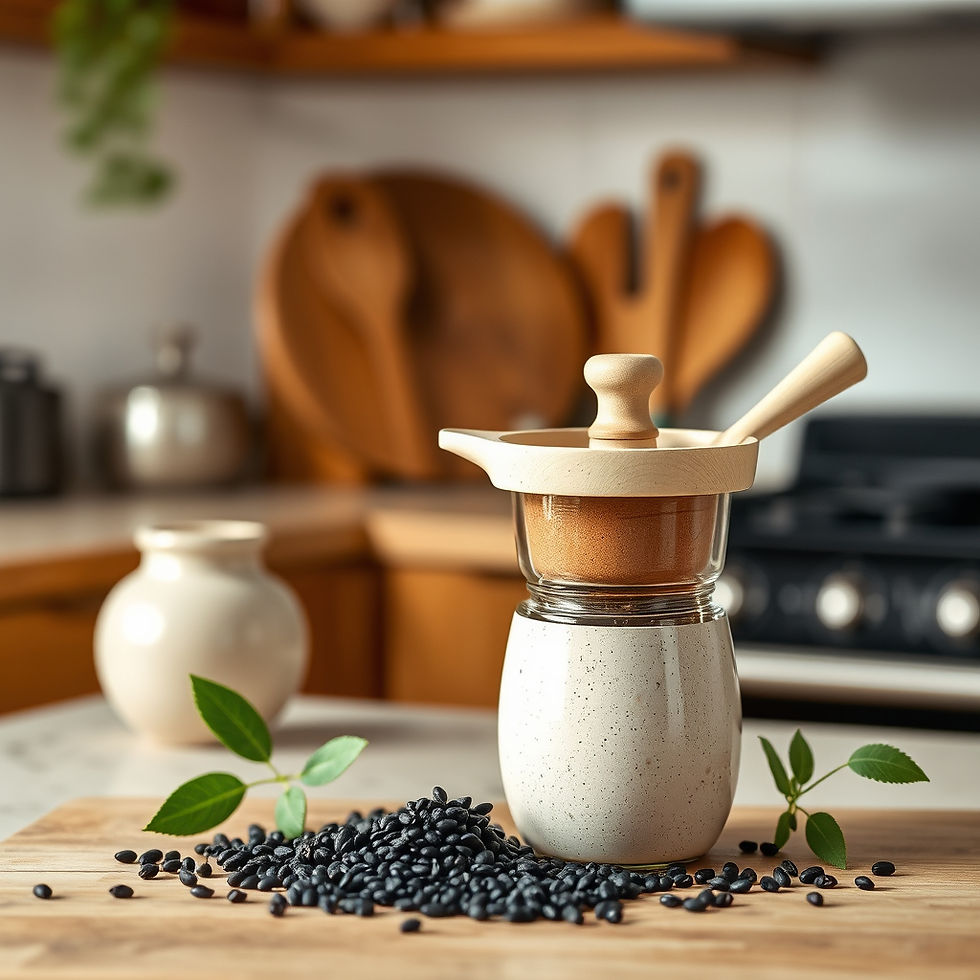
Black Seed Oil (Nigella sativa)
What it is & where it comes fromExtracted from black cumin seeds, this oil has been used for centuries in traditional medicine for immune, digestive, and inflammatory support.
Benefits
Supports immune function
Antioxidant & anti-inflammatory properties
Supports gut lining and digestion
Helps regulate metabolic balance
Supports overall resilience
Cholesterol and blood pressure balance in some studies
Blood sugar regulation in moderate amounts
While promising, research is still ongoing and not all proposed uses are fully proven.
How I use it
½ to 1 teaspoon daily (strong taste)
Taken alone or mixed with honey
Used in short cycles
Mixed into smoothies, salads dressings or combined with lemon juice or. honey if the flavor feels strong.
How long to use it:
Short cycles only
4 to 8 weeks at a time
Why: Black seed oil is a potent, bioactive oil with strong immune and anti-inflammatory effects. Cyclical use helps prevent overstimulation and supports better tolerance.
Recommended break:
Take a 2–3 week break before starting another cycle.
Contraindications & precautions
Strong oil start low
May cause digestive upset if taken in excess.
Avoid during pregnancy
Consult if taking medications
Pregnancy. or breastfeeding; consult a professional before using
Why it matters in this stage? In this phase, the body can feel more reactive hormonally, emotionally, and digestively. Black seed oil offers deep, grounding support when things feel inflamed or sensitive.
Inside Out Tip: Respect its strength more is not better.

Vitamin D3 Oil
Why in oil? Vitamin D3 (cholecalciferol) is a fat-soluble vitamin commonly suspended in oil to improve absorption. That's why liquid forms suspended in oil are common and why I pair mine with smoothies.
Key benefits
Supports bone and muscle health by supporting calcium absorption
Supports immune function
Plays a role in metabolic hormonal balance, when levels are adequate
Supports mood and nervous system health
How I use it
Daily, with food (drops taken with meals)
Added directly to my smoothie or salads
Consistent, not sporadic
I usually add my liquid vitamin D3 alongside foods that contain healthy fats, such as avocado or flaxseed oil, to help absorption.
How long to use it:
Ongoing use, with monitoring
Why: Vitamin D3 is foundational during this stage for bone health, immune support, and mood regulation, but supplementation should be adjusted based on individual needs.
Important note:
Check blood levels every 6–12 months
Adjust dosage based on results and season
Contraindications & precautions
Do not exceed recommended dosage, excessive supplementation without guidance can lead to vitamin D toxicity.
Monitor levels if supplementing long-term
Consult your practitioner if you have conditions affecting calcium metabolism and if you take other supplements or medications.
Why it matters in this stage. As estrogen levels shift, bone density and immune resilience become priorities. Vitamin D3 is foundational not optional during this transition.
Inside Out Tip: Vitamin D works best with consistency and healthy fats.

Sesame Seed Oil
What does it provide? Sesame oil is extracted from sesame seeds (Sesamum indicum). Traditionally valued for its warming and nourishing properties. Rich in unsaturated fatty acids, including oleic and linoleic acids, which support heart health and overall nutrition.
Benefits
Supports digestion
Rich in antioxidants
Helps lubricate dry tissues
Supports skin and gut health
Source of healthy fats for cooking
Contains antioxidants such as lignans
Adds a delicious, aromatic flavor to dishes
How I use it
Small amount added to smoothies
Culinary use (low heat or raw)
This is the oil I choose for cooking especially in stir-fries or warm dishes because it’s flavorful and relatively stable for moderate-heat use. This oil is delicious in stir-fried rice with vegetables.
How long to use it:
Regular use, in moderation
Why: Sesame oil is a warming, nourishing oil that can be especially supportive during times of dryness or sluggish digestion.
Optional pause:
Use for several weeks, then alternate or pause if digestion feels heavy.
Quick Summary
Flaxseed oil: daily, long-term support
Black seed oil: short cycles (4–6 weeks)
Vitamin D3 oil: ongoing use with level monitoring
Sesame oil: regular use, moderate amounts
Contraindications & precautions
Use in moderation
May cause allergic reactions in people sensitive to sesame.
Rotate your cooking oils to maintain variety in your fat intake
Why it matters in this stage Dryness is a common theme during hormonal transitions sesame oil gently nourishes tissues and supports digestive comfort.
Inside Out Tip: Warm, nourishing oils support grounding.
Frequently Asked Questions
Can I combine these oils?
Yes. Adding flaxseed or black seed oil along with vitamin D3 makes sense because fats help nutrient absorption. Just be mindful of portions and consult a professional if pregnant or on medication.
Why shouldn’t flaxseed oil be heated?
Because it’s delicate and oxidizes easily, heat can destroy its omega-3 content and reduce its health benefits.
Do these oils replace a balanced diet?
No. They are nutritional complements, not substitutes for a varied and wholesome diet.
Helpful Resources for Further Reading
Mayo Clinic — Flaxseed & flaxseed oil
NIH Office of Dietary Supplements — Vitamin D
Healthline — Black seed oil
WebMD — Sesame nutrition
This article is your reference point. In my videos, I show how these oils fit into real life simple, intentional, and sustainable.
Always listen to your body. This content is educational and does not replace medical advice.
With natural care,
Gina Morano Walking this wellness path with you – Pink Tomato Inside Out


Comments